
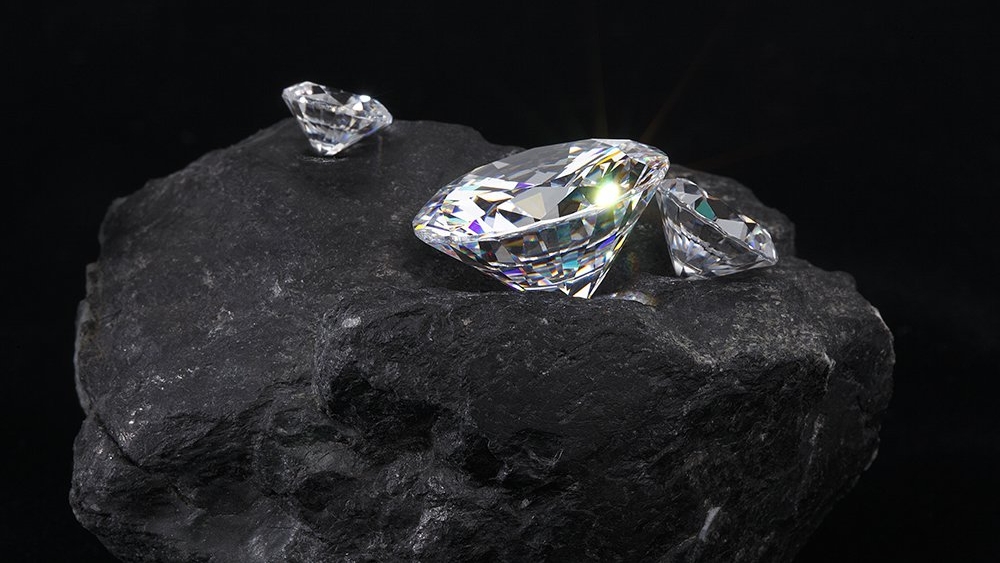
In the ever-evolving world of fine jewelry, lab-grown diamonds have emerged as a revolutionary alternative to traditional mined stones. As sustainability, affordability, and innovation take center stage in consumer decision-making, loose lab-grown diamonds are rapidly gaining popularity. These diamonds, cultivated using cutting-edge technology rather than extracted from the earth, offer an ethical and cost-effective option without compromising on beauty or quality.
Table of Contents
What Are Loose Lab-Grown Diamonds?
Loose lab-grown diamonds are diamonds created in laboratories through two primary methods: High Pressure High Temperature (HPHT) and Chemical Vapor Deposition (CVD). These processes replicate the natural conditions under which diamonds form in the Earth’s mantle. The result is a genuine diamond — chemically, physically, and optically identical to its mined counterpart.
When we refer to loose lab grown diamonds, we mean diamonds that are sold unmounted — not set in any jewelry. This gives consumers the freedom to choose a custom setting, such as engagement rings, earrings, or pendants, tailored to their unique style.
Key Advantages
1. Ethical and Sustainable
One of the most compelling reasons consumers are turning to lab-grown diamonds is their ethical production. Mined diamonds often carry environmental and social concerns, such as land degradation, water pollution, and conflicts linked to mining regions. Lab-grown diamonds offer a transparent supply chain and significantly lower environmental impact.
2. Affordable Luxury
Lab-grown diamonds typically cost 30% to 50% less than natural diamonds of equivalent quality. Because they’re created in controlled environments, the supply chain is more efficient and less dependent on geological rarity. This allows consumers to purchase larger or higher-quality stones for the same budget, making luxury more accessible.
3. Identical Beauty and Quality
A common misconception is that lab-grown diamonds are “fake” or inferior to mined diamonds. In reality, they are real diamonds, indistinguishable even to trained gemologists without specialized equipment. They exhibit the same brilliance, fire, and sparkle, and are graded by the same institutions, such as the Gemological Institute of America (GIA) and International Gemological Institute (IGI).
Customization and Design Freedom
Loose diamonds offer unparalleled freedom for jewelry customization. Buyers can select the precise shape (round, oval, cushion, emerald, etc.), carat weight, color, and clarity before choosing the perfect setting. Whether you’re designing an engagement ring or commemorating a milestone, starting with a loose diamond ensures that the final piece reflects your personal vision.
Many retailers and jewelers now offer 3D modeling and virtual design tools, allowing customers to view their custom designs before they’re created. This integration of technology in jewelry shopping has further elevated the appeal of loose lab-grown diamonds.
Market Trends and Consumer Adoption
The global demand for lab-grown diamonds has surged in recent years. According to industry reports, the lab-grown diamond market is projected to reach $29 billion by 2030, driven by millennials and Gen Z buyers who prioritize sustainability and value transparency.
Major jewelry brands and retailers are increasingly adding lab-grown diamonds to their offerings. Even high-end brands are recognizing their potential, as lab diamonds allow them to cater to environmentally conscious luxury shoppers.
Additionally, the resale and investment perception of lab-grown diamonds is evolving. While traditionally viewed as having lower resale value, growing acceptance and demand may lead to stronger secondary markets in the future.
Considerations Before Buying
When purchasing a loose lab-grown diamond, it’s essential to:
-
Request certification: Ensure the diamond comes with a grading report from a reputable lab.
-
Compare prices and quality: Use the 4Cs (Cut, Clarity, Color, Carat) to compare diamonds and assess value.
-
Choose reputable sellers: Opt for jewelers with clear return policies, customer reviews, and transparent sourcing practices.
Also, be mindful that while lab-grown diamonds are environmentally friendlier than mined diamonds, the energy used in their production can vary depending on the lab’s practices. Look for brands that use renewable energy or disclose their carbon footprint.
Conclusion
Loose lab-grown diamonds represent the future of fine jewelry — combining ethics, elegance, and economic value. Whether you’re crafting a custom engagement ring or investing in a timeless piece, these stones offer all the beauty of traditional diamonds with the added benefit of responsible sourcing.
As consumer preferences continue to shift toward sustainability and personalization, lab-grown diamonds are not just a trend — they are becoming a lasting choice for the modern buyer.