
Table of Contents
Man Made Diamonds Explained
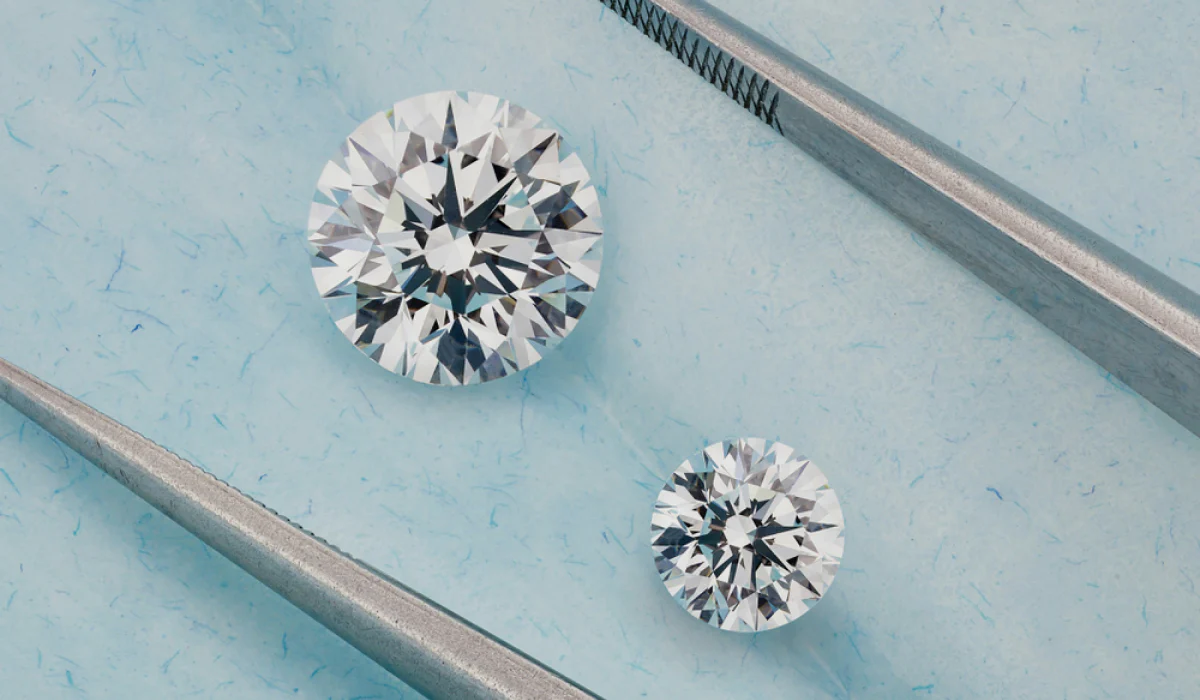
Real diamonds made by people start in labs, not deep underground after ages of pressure. Though crafted fast, their makeup matches exactly what comes from Earth. Feel one – hard to tell apart when it sits in your hand. Worn as jewelry, they shine no differently than those pulled from mines. Not imitation gems, nor pretend sparkles stuck on cheap metal. Actual diamond material, just raised carefully behind glass and steel walls. What sets them apart comes down to where they’re made. Because of that setting, getting the details right – like consistency and dimensions – becomes easier.
Man Made Diamonds How They Are Created
Fabricated gems come about one of two ways. One path uses intense pressure, another relies on gas under heat. Each route skips nature’s timeline, building crystals in chambers instead of Earth’s crust
- A chunk of carbon gets squeezed hard while heated way up. That intense crush plus the blazing warmth acts like Earth’s deep layers. Deep underground, diamonds grow slow under similar forces. Here, machines copy that wild environment in a lab. The outcome looks just like what time builds below ground.
- A thin diamond builds up slowly when carbon gas spreads through an empty space. Each bit sticks one at a time under controlled conditions.
One way or another, these processes create stones so close to mined diamonds that only expert tools can tell the difference.
Man Made Diamonds Offer Advantages
Could it be easier than expected to pick a lab grown stone instead of an earth mined one? Real reasons exist beyond trend or price alone.
- Starting at a lower price point, lab grown diamonds often run 30 to 40 percent cheaper than natural ones that match in size and clarity. Because of this gap, the same amount of money might buy you either a bigger rock or one that sparkles more. Fewer dollars add up fast when comparing options side by side.
- Since lab conditions guide how they form, these stones often have less internal flaws. Their shapes also match exact designs more closely.
- Cut from mines, lab-made stones anillos de compromiso harm to land and people. These gems skip dirty digging, easing worries about damage along the way.
A single carat lab-grown stone might just fit your needs better, especially when flawless quality matters – looks stay sharp while cost stays low. Starting fresh doesn’t mean losing anything in sparkle; instead, skipping mining keeps things lighter on resources and heavier on value.
Understanding the Value
Despite being genuine, lab-grown stones carry less worth when resold compared to mined ones. Their price tag drops faster over time. Think ahead if switching or selling later matters to you. Yet buying one now means picking what truly appeals to you instead of stretching for cost. Budget pressure fades when choices open up.
Choosing a diamond that fits your needs
A good pick starts with knowing what matters most. Think clarity, cut, color – just like earth-grown stones. One detail shifts everything. Lab-made doesn’t mean lower standards. Weight plays a role, sure, yet brilliance holds more weight. Every choice links to how it catches light. Origin changes nothing about quality checks. What shines through is precision. Real difference hides in the report, not the source.
- A diamond’s shape decides how it bounces light back. Choose one shaped just right if you want more shine. What matters most is balance in its form.
- Some diamonds show no hue at all. Others carry a faint hint of yellow. Pick one based on how you like it to look. Price shifts with each shade step. Your taste shapes what works best.
- Fewer flaws show up in lab-made stones. Look closely at what’s inside them.
- Size comes down to what feels right. Picking a lab diamond might let your budget stretch further.
Start by checking if the gem comes with a certificate from trusted testing centers. That way, its true quality and origin are clear.
Practical tips for buyers
Here are some practical points to keep in mind when buying man made diamonds:
- Start by checking what different stores charge. Because one place might offer a better deal than another, shop around first. Some sellers set higher prices based on how clear or colorful the stone is. Since lab-made gems aren’t all priced the same, differences show up between brands. A flawless sparkler often costs more than one with tiny marks inside. Even if two look alike, their price tags may not match at all.
- Look at the rules for returns first. Once it arrives, take time to examine the stone closely – before saying yes for good.
- Down the road, what you plan now might shift. Resale worth could play a role – depends on how things line up for you.
A pair picking a stone for their engagement band might care more about how big it looks and how clear it appears than what it could sell for later – so lab grown options often fit well.
Common Misconceptions
Not everyone sees it clearly – lab grown diamonds aren’t fake gems such as cubic zirconia. These created stones pass as genuine, built strong. Their shine matches mined diamonds, just without the earth dig. Over time, they hold up well, resisting scratches much alike their natural cousins. Some assume they carry less worth. Yet when worn daily or set in rings, the look and feel stay identical. Value might shift in resale markets; personally, few notice a gap.
FAQ
Are man made diamonds real?
True. Identical in makeup and behavior to mined stones. Origin marks the sole contrast between them.
Do man made diamonds last?
True enough, these hold up just like real diamonds when worn daily, even in engagement rings. Their toughness matches nature’s version without question.
Is it cheaper to buy a man made diamond?
Fifty bucks here, maybe forty there – either way it’s thirty to forty percent cheaper than the real stone, yet just as big, just as sharp. A lab-made sparkler fits your hand like nothing changed.