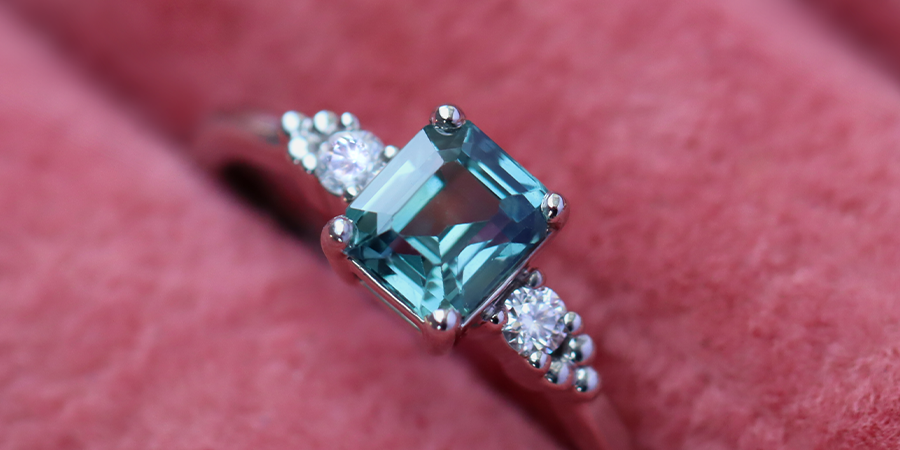

Lab grown diamonds have converted the diamond assiduity by offering a more affordable, ethical, and sustainable volition to booby-trapped diamonds. Among lab grown diamonds, two product styles dominate the request Chemical Vapor Deposition, generally called CVD, and High Pressure High Temperature, known as HPHT. While both styles produce real diamonds with the same physical and chemical parcels as natural diamonds, there are important differences in how they’re grown, how they look, and how they perform in the jewelry request.
This detailed companion explains CVD vs HPHT lab grown diamonds so buyers can make an informed decision grounded on quality, appearance, price, and long term value.
Table of Contents
What Are Lab Overgrown Diamonds?
Lab grown diamonds are real diamonds created in controlled laboratory surroundings. They’ve the same carbon demitasse structure, hardness, brilliance, and continuity as booby-trapped diamonds. The only difference lies in their origin. rather of forming deep within the earth over billions of times, lab grown diamonds are produced using advanced technology within weeks.
These diamonds are graded using the same norms as natural diamonds, including cut, color, clarity, and carat weight.
Understanding CVD Lab Overgrown Diamonds
CVD diamonds are created using a sophisticated process that mimics how diamonds form naturally. A thin diamond seed is placed inside a sealed chamber filled with carbon rich feasts similar as methane. The chamber is hotted
to extremely high temperatures, causing the gas to break down and carbon tittles to attach to the seed subcaste by subcaste.
Over time, this process builds a high quality diamond demitasse.
Crucial Features Of CVD Diamonds
CVD diamonds are known for their exceptional clarity and visual appeal. Because the growth process is precisely controlled, CVD diamonds generally contain smaller eliminations than HPHT diamonds. This makes them popular for high clarity grades similar as VS and VVS.
They also allow for precise control over diamond shape and size. This inflexibility makes CVD diamonds ideal for custom jewelry designs and large carat monuments.
still, undressed CVD diamonds can occasionally show a brown or argentine shade due to growth conditions. utmost CVD diamonds suffer post growth treatments to ameliorate color and reach near tintless
grades.
Understanding HPHT Lab Overgrown Diamonds
HPHT diamonds are produced using technology that nearly replicates the natural conditions under which diamonds form in the earth. A diamond seed is placed in a press along with carbon material. The press applies extremely high pressure and temperature, allowing carbon to solidify around the seed.
This system was the first technology used to produce lab grown diamonds and remains extensively used moment.
Crucial Features of HPHT Diamonds
HPHT diamonds frequently have excellent color quality. The violent heat and pressure allow manufacturers to produce diamonds that are naturally tintless
or near tintless
without expansive post processing.
One notable specific of HPHT diamonds is the presence of metallic eliminations. These eliminations come from the essence catalysts used during growth and may be visible under exaggeration. In rare cases, they can be slightly glamorous .
HPHT diamonds also tend to have faster growth cycles, which makes them further cost effective for producing lower monuments.
CVD vs HPHT Growth Process Comparison
The most significant difference between CVD and HPHT diamonds is the growth terrain.
CVD diamonds grow in low pressure chambers using gas and tube technology. This allows for slow, controlled growth and generally results in smaller internal defects.
HPHT diamonds grow under violent pressure and temperature, nearly bluffing natural diamond conformation. This system is briskly but can introduce metallic eliminations.
Both processes produce genuine diamonds that meet assiduity norms, but the internal characteristics differ slightly due to their growth conditions.
Differences in Appearance And Quality
When comparing CVD vs HPHT lab grown diamonds, visual quality is a major factor.
CVD diamonds generally offer advanced clarity grades because they’ve smaller eliminations. This makes them especially seductive for engagement rings and fine jewelry where clarity is important.
HPHT diamonds frequently exceed in color quality. numerous HPHT diamonds naturally achieve high color grades without fresh treatment.
In real world viewing conditions, both types sparkle beautifully and are nearly indistinguishable from booby-trapped diamonds to the naked eye.
Price Comparison CVD vs HPHT
Price is another important consideration for buyers.
HPHT diamonds are generally slightly less precious, especially for lower sizes. The briskly product time and lower manufacturing costs contribute to this price advantage.
CVD diamonds tend to be priced advanced due to longer growth times, advanced technology, and superior clarity. still, they’re still significantly further affordable than natural diamonds.
Overall, both CVD and HPHT diamonds offer excellent value compared to booby-trapped diamonds.
Continuity And Wearability
Both CVD and HPHT diamonds have a hardness standing of 10 on the Mohs scale. This makes them inversely durable and suitable for everyday wear and tear.
There’s no difference in strength, scrape resistance, or life between the two types. When duly watched for, both can last a continuance and beyond.
Instrument And Grading
estimable grading labs similar as GIA and IGI certify both CVD and HPHT diamonds. instrument reports easily state the growth system and any treatments applied.
Buyers should always choose pukka diamonds to insure translucency, quality assurance, and resale credibility.
Ethical and Environmental Impact
Both CVD and HPHT diamonds are considered more ethical and environmentally friendly than booby-trapped diamonds. They avoid issues similar as land declination, unsafe labor conditions, and conflict backing.
CVD diamonds are frequently seen as slightly further eco friendly due to lower energy consumption during product, though both styles represent a significant enhancement over traditional mining.
Which Is Better CVD or HPHT?
The choice between CVD and HPHT lab grown diamonds depends on particular precedences.
- Choose CVD diamonds if you value advanced clarity, customization options, and advanced growth perfection.
- Choose HPHT diamonds if you prefer excellent color quality, lower prices, and a process that nearly mimics natural diamond conformation.
- Both options deliver stunning, real diamonds with exceptional beauty and value.
Final Studies
CVD vs HPHT lab grown diamonds is n’t about which is superior, but which better fits your requirements. Both are genuine diamonds with identical physical parcels to booby-trapped diamonds and offer emotional brilliance, continuity, and affordability.
By understanding the differences in growth system, appearance, and pricing, buyers can confidently elect a lab grown diamond that aligns with their style, budget, and ethical values.