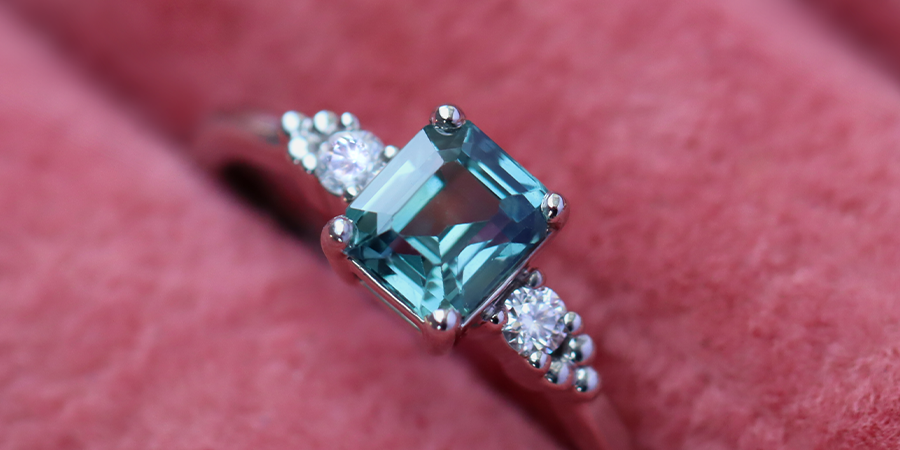

Diamonds made in labs? Real ones. Grown inside rooms built for science, not dug up. Not fake stones. Nothing like cubic zirconia either. Built just like earth-mined gems – same atoms, same hardness, same sparkle. Location sets them apart. Regular diamonds take eons beneath rock layers. Lab versions form in weeks above ground. Weeks go by while machines mimic Earth’s deep heat plus pressure to grow lab diamonds. To your eyes, they appear just like mined ones. Experts must rely on tools because spotting differences isn’t possible otherwise. Choosing a tennis bracelet made with these stones means something. Real diamond substance sits on your wrist. It is not an imitation. What forms inside labs counts as genuine.
Table of Contents
Lab Diamonds How Theyre Created
Fake diamonds form in labs through two key ways.
- High Pressure High Temperature or HPHT
- Chemical Vapor Deposition or CVD
Beneath heavy weight and scorching temperatures, HPHT copies how diamonds grow underground. Inside that squeeze, a tiny starter spark gets surrounded by melting carbon, slowly building up into something bigger. Instead of crushing force, CVD takes another path entirely. A tiny diamond starter rests inside a space packed with carbon-heavy gas. When heat gets turned up, carbon bits begin sticking to the starter one level at a time. One way or another, actual diamonds come out either way. These gems get shaped, smoothed, judged – same as those pulled from deep underground. What counts most isn’t how it was made but what ends up in your hand.
quality still depends on cut color clarity carat
A lab diamond goes under the same microscope as one pulled from the ground. Its value shows up in how it’s cut, its shade, clearness, besides size.
Cut
Light bounces differently depending on a diamond’s shape. Brightness leaps out when the cuts are done right. Dullness creeps in with bad cutting, no matter how clear or colorless it seems. Buying a bracelet means checking every little stone matches in sharpness. Mismatched shine catches the eye, not in a good way.
Color
White shades start at D – totally clear – and go to Z, where hints of yellow or brown appear. Some people pick stones from D up to H when buying fine pieces. On a wrist, lower grades sometimes look just like high ones once they’re on. Paying less becomes possible even though it still looks valuable.
Clarity
Most flaws inside a gem need a lens to spot them. These tiny features define clarity. For bracelets, top-tier perfection isn’t key. A stone might carry slight marks yet still look flawless when worn. Grades like VS or SI often deliver that balance – clean appearance without extra cost.
Carat
A single carat tells you about heft, never spread. When it comes to bracelets, that number usually adds up every gem’s contribution. Imagine fifty tiny diamonds making a 3 carat whole instead of a solo centerpiece. What sits right on your arm matters more than any figure. Let how it looks guide what you choose.
Buyers Pick Lab Diamonds
A big part costs less. Usually lab stones come in under natural ones when quality lines up. Picture two bracelets – same sparkle size, close ratings – one tag jumps out lower. This space in pricing opens room for something else
- Increase total carat weight
- Choose higher color or clarity
- A smarter choice might be 18k gold. Platinum also works well when durability matters. One option sits heavier on the skin. Another catches light differently. Weight, shine, feel – each plays a role. Some metals age gracefully. Others show wear faster. Think about how it looks after months, not just days
One big thing people care about is being able to track where a gem comes from. Some shoppers really want clear details on how their stone was made. When production happens in labs, it’s easier to see every step. Choosing between a classic mined diamond bracelet and one with lab-grown stones usually means weighing looks against source and cost.
Check Quality Craftsmanship And Certification When Looking At A Lab Diamond Tennis Bracelet
A good place to begin? The fundamentals. Always check for a certificate. Trusted gems come with reports from neutral labs – think IGI or GIA. These papers detail the 4Cs while proving the gem was made in a lab. After that, shift focus to how it’s held. Settings like prong or bezel show up most often. Light slips in easier when diamonds sit in prong holds. A bezel wraps tight, guards better, gives clean edges. Your day matters – how you move shapes what fits best. Hands busy with tasks need gems held extra firm. Look close at the closure – a strong catch stops loss. Many choose tennis bracelets with double locks built in. A snug fit keeps the bracelet where it belongs. Length matters more than most think. Typical options run between 6.5 and 7.5 inches. Wrap a flexible tape around your wrist to check. Leave just enough space so it feels easy on the skin. Say your measurement comes out at 6.5 – then stepping up to 7 gives that little bit of ease.
Durability and Maintenance
A perfect ten on the Mohs scale – that’s where lab diamonds land, same as mined ones. Scratch resistance? They beat nearly everything else out there. Worn daily without worry – that kind of toughness comes standard. Yet treating your bracelet with attention still matters in the long run.
- Pieces kept apart won’t rub against one another. That way, surfaces stay smooth. One item in its own spot means less contact. Separation helps avoid marks. Each piece rests without pressure from neighbors. Alone, they remain untouched by friction
- Start by using a soft cloth dampened with lukewarm water. A drop of gentle soap helps loosen any buildup. Wipe the surface slowly, moving in circular motions. Rinse thoroughly after washing. Let air dry naturally – no towels needed
- Every twelve months, someone should look at the prongs. A quick check keeps things safe. Yearly visits catch small issues early. Don’t wait until something feels loose. Get them examined by a pro each year
Loosening happens slowly, just from everyday use. Spotting it early means you won’t lose the stone.
Resale and Long Term Value
Here’s something worth thinking about. Real diamonds pulled from the ground already hold value on the secondhand scene. Those made in labs? They’re recent arrivals, so their after-market price might shift. Should lasting return matter most to you, take time to study how today’s buyers are pricing them later on. Starting with fun means picking stones that match how you live. Lab gems shine bright when choice matters most. Truth shapes every smart move – know what counts first.
Common Misunderstandings
A few folks believe diamonds made in labs aren’t real. Truth is, they’re just like those dug from the ground – same makeup. There’s a notion that you can spot the difference by looking. Most eyes can’t tell them apart. Lower cost often suggests worse performance to some. That doesn’t hold here. What sets the cost apart isn’t how long it lasts but how it’s made and what’s available. Seeing that shifts your choice from guesswork to something more grounded.
Making a Smart Choice
Start by setting how much you can spend. What stands out most to you? Think about size first. Then clarity steps in. The kind of metal plays a role too. Don’t overlook who made it. See how three choices stack up. Total carat weight tells part of the story. A certificate adds proof behind it. Returns might matter later – look into that. For a lab diamond tennis bracelet, watch how even the stones appear. One stone needs to blend with the next, shade for shade. Smooth against skin, the band stays flat when you move. Wait if needed. Rushing rarely helps here. Worn daily, it must fit how life moves. Ease comes from knowing what sits on your arm – shape, story, origin. Study lab diamonds slowly. That way, choices make sense without second thoughts. Facts step in where guesses used to be. This shift makes the difference clear.
Frequently Asked Questions
Are lab diamonds real diamonds?
Right. Same makeup, same toughness – just made in labs instead of dug up. What sets them apart? A lab setting shapes their growth.
Lab diamonds hold up just like mined ones over time.
Fine for everyday use. Both hold up just as well in rings or on bracelets. Equally tough when worn regularly.
Is a lab diamond tennis bracelet worth buying?
A lower starting cost might make it possible, especially when real diamonds matter to you. Size and quality could still fit what you have set aside. Flexibility opens up options without stretching too far.